
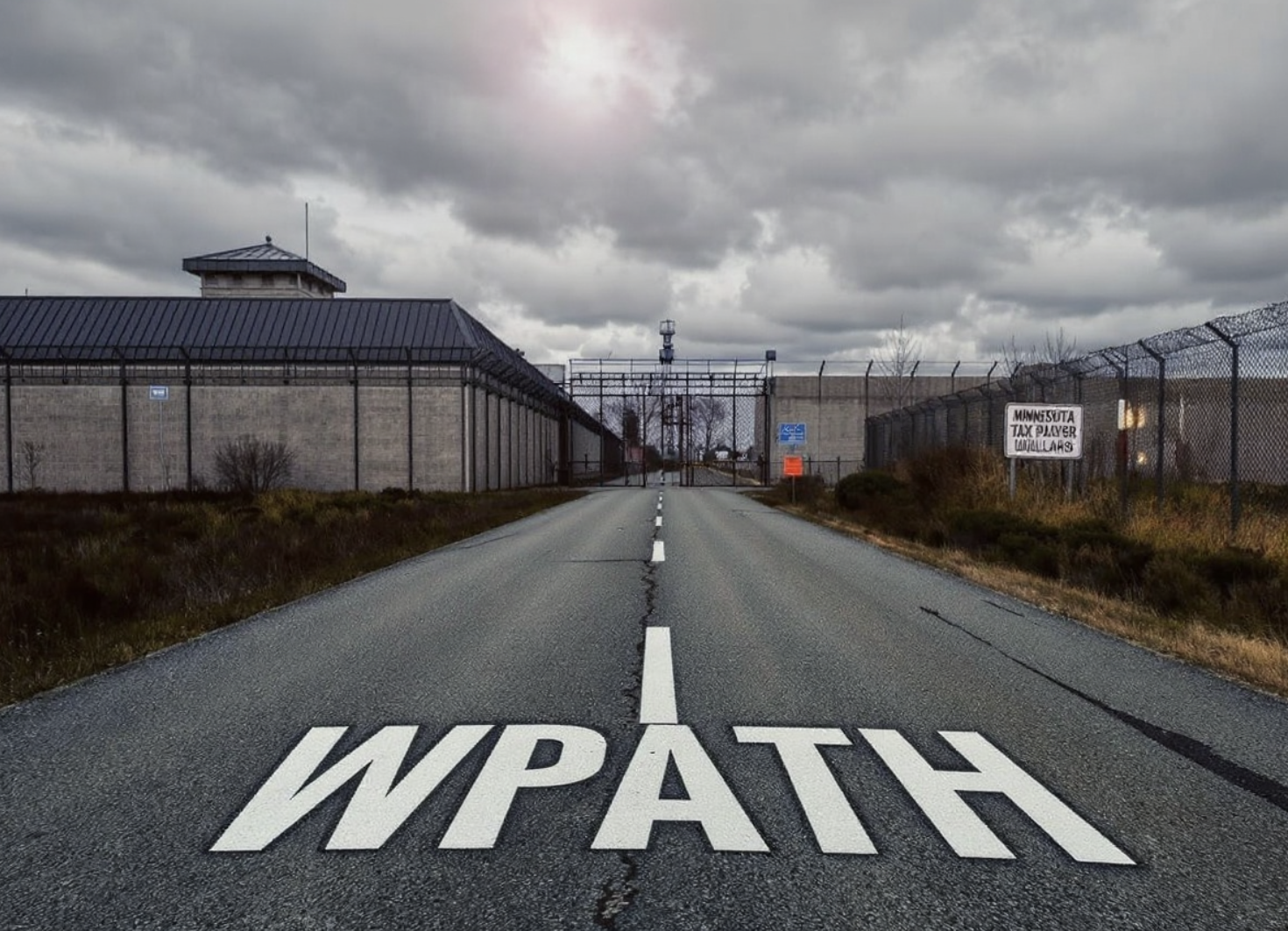
How DEI NGOs Hijacked Minnesota’s Legal System And Sent Taxpayers the Bill
Minnesota's progressive administration perfected a strategy to bypass democracy itself. Using a $495,000 settlement in the Christina Lusk case, Attorney General Keith Ellison's office imposed WPATH transgender policies on state prisons without a single legislative vote. No hearings. No appropriations. No voter consent. Instead, taxpayer-funded settlements and networked nonprofits rewrote state policy through courtrooms—not ballot boxes. This is how unelected activists now function as lawmakers.
Using taxpayer-funded settlements, a coordinated network of progressive legal nonprofits has rewritten state and local policy through courtroom victories rather than ballot boxes—bypassing democratic accountability entirely. Though operating within current IRS regulations, this approach imposes DEI mandates without legislative approval or voter consent.
Minnesota's progressive administration and its allied nonprofits have perfected this strategy. The Christina Lusk case, filed in June 2022 in Ramsey County District Court, exposes this infrastructure at work. Lusk, a transgender male with gender dysphoria, sued the Minnesota Department of Corrections, alleging that the agency's policies violated rights under the Minnesota Human Rights Act and the Minnesota Constitution's guarantees of equal protection, bodily autonomy, and freedom from cruel and unusual punishment.
The 2022 Lusk v. DOC case exemplifies this strategy: a $495,000 settlement that mandated World Professional Association for Transgender Health (WPATH) standards for transgender inmates. Without legislative votes, hearings, or appropriations, WPATH standards—developed by a private advocacy organization—were imposed through closed-door negotiation rather than democratic deliberation. The result: permanent policy funded by taxpayers, decided by settlement agreement instead of Legislation.
Policy by Settlement: Circumventing Votes, Burdening Taxpayers
This bypasses democratic safeguards, enriching NGOs through a revolving door connected to Attorney General Keith Ellison's office. The settlement mandates ongoing expenditures—WPATH-certified consultants, facility modifications, specialized undergarments, staff training—none appropriated by the Minnesota Legislature. This appears to be a likely violation of fundamental constitutional principles, and it is stark.
Minnesota Constitution Article XI, Section 11, "No money shall be paid out of the treasury of this state except in pursuance of an appropriation by law." The Lusk settlement appears to have violated this fundamental principle. By permanent imposition of financial commitment and burden on taxpayers, without a single legislative vote.
Minnesota Constitution Article III, Section 12 further prohibits any branch from exercising powers belonging to another—yet here, a court settlement has usurped the Legislature's exclusive "power of the purse," mandating policy and spending that only elected representatives can authorize.
This is de facto lawmaking—policy created outside the democratic process and nearly impossible to reverse. The cycle is self-perpetuating: the more money these organizations receive, the more powerful they become, the more policies they can impose. Legal scholars have warned of "unaccountable collusion with private parties" between NGOs and state agencies, leading to settlement agreements that circumvent legislative authority and bind administrations without voter input. Are these publicly funded, unelected NGOs and attorneys general overstepping their duties in cases like Lusk? Taxpayers bankroll them—yet their voices are silenced. How does this system operate? One organization reveals the entire architecture.
The Architecture of Influence
Behind this mechanism is a meticulously funded apparatus. Gender Justice—a Minnesota 501(c)(3) founded in 2010—serves as the linchpin. While branding itself as a law firm for gender equality, it operates in the gray area between legal aid, lobbying, and advocacy, funneling resources into DEI-driven mandates closely aligned with the Walz administration.
Executive Director Megan Peterson previously led the National Network of Abortion Funds, which generated $49 million in FY 2022. Gender Justice's 2022 revenue was $2.9 million—only 8.6% from program fees, the rest from grants. State funding surged from $1,500 (2022) to $448,904 (2023), per OpenTheBooks. In 2024, MacKenzie Scott's Yield Giving awarded Gender Justice $2 million.
During this period, Gender Justice filed multiple lawsuits—including Lusk—securing policies like WPATH standards, with active support from Attorney General Keith Ellison. Senior Attorney Christy Hall litigated the Lusk case before joining Ellison’s office in March 2025, enforcing these same policies.
This legal-and-funding strategy isn’t unique: The Women’s Foundation of Minnesota—called by InfluenceWatch “an initiative with the Minnesota governor’s office”—has funded Gender Justice since 2012, including a $10,000 wellness grant in 2025. All mirror a larger pattern of progressive nonprofits driving major policy change through court settlements, not democratic debate.
The result: NGOs, fueled by public and philanthropic dollars, expand their reach and power with every tax-funded victory. They now function as unelected lawmakers—accountable to donors, not voters—while settlements replace legislative debate. Without safeguards, this model spreads: settlements become policy, and democratic accountability erodes.
Policy Changes Without Legislative Approval: DOC’s Adoption of WPATH Standards
The settlement required DOC to revise Policy 202.045 and Policy 202.130, mandating WPATH standards of care. These guidelines—developed by a private advocacy organization, not state medical boards—require consultation with WPATH-certified professionals for housing and medical decisions, staff training, name changes, and facility transfers matching gender identity.
Key Provisions in DOC Policy Went into Effect: April 1, 2024
Single-cell assignments for transgender inmates
Separate shower facilities
Provision of undergarments consistent with gender identity
Pat-down searches conducted by staff of the facility’s gender classification, not the inmate’s biological sex
These measures depart from previous norms by institutionalizing gender identity as the principal consideration in inmate management. Crucially, none of the costs associated with implementing these policies—covering infrastructure, training, and supplies—were appropriated through the state legislature. As a result, Minnesota taxpayers are bearing the financial burden without the usual transparency or fiscal scrutiny.
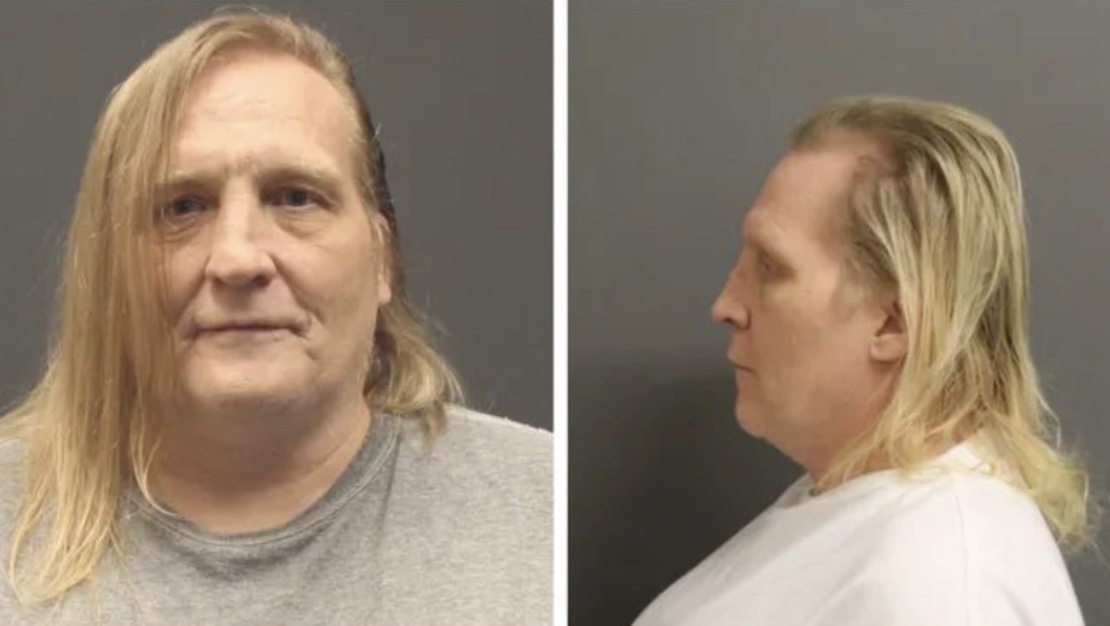
Lusk
Bypassing Minnesota’s Legislative Process
The state constitution and legislative rules require that changes impacting state operations undergo comprehensive legislative review. This includes:
Committee hearings with opportunities for public testimony
Detailed fiscal cost analyses
Floor votes in both the 134-member House and the 67-member Senate
Approval by the Governor
None of these procedural steps were observed in adopting these DOC policies. Instead, the policy emerged publicly in June 2023 following a confidential mediation process and was enacted by a single appointed commissioner without any formal legislative debate or vote.
Impact on Minnesota Correctional Facilities
The revised policy has affected all state correctional facilities housing approximately 8,000 inmates, including 48 individuals identifying as transgender. A notable outcome has been the transfer of Lusk, the first openly transgender inmate, from MCF-Moose Lake to Shakopee Women’s Facility in June 2023. By February 2025, three transgender women were housed at Shakopee, Minnesota’s sole women’s prison.
The Lusk Case is not an Anomaly.
It represents a deliberate strategy—replicated across states through networks like Gender Justice—to circumvent democratic processes when legislative gridlock stalls progressive priorities. Progressive administrations have discovered an alternative: fund nonprofits, litigate against their own agencies, settle quickly, and impose policy through court order. The mechanism works within legal frameworks while nullifying electoral accountability. Taxpayers absorb costs. Voters bear consequences. NGOs grow more powerful with each settlement. Minnesota has become a laboratory for this approach. Without legislative safeguards, this model will expand.
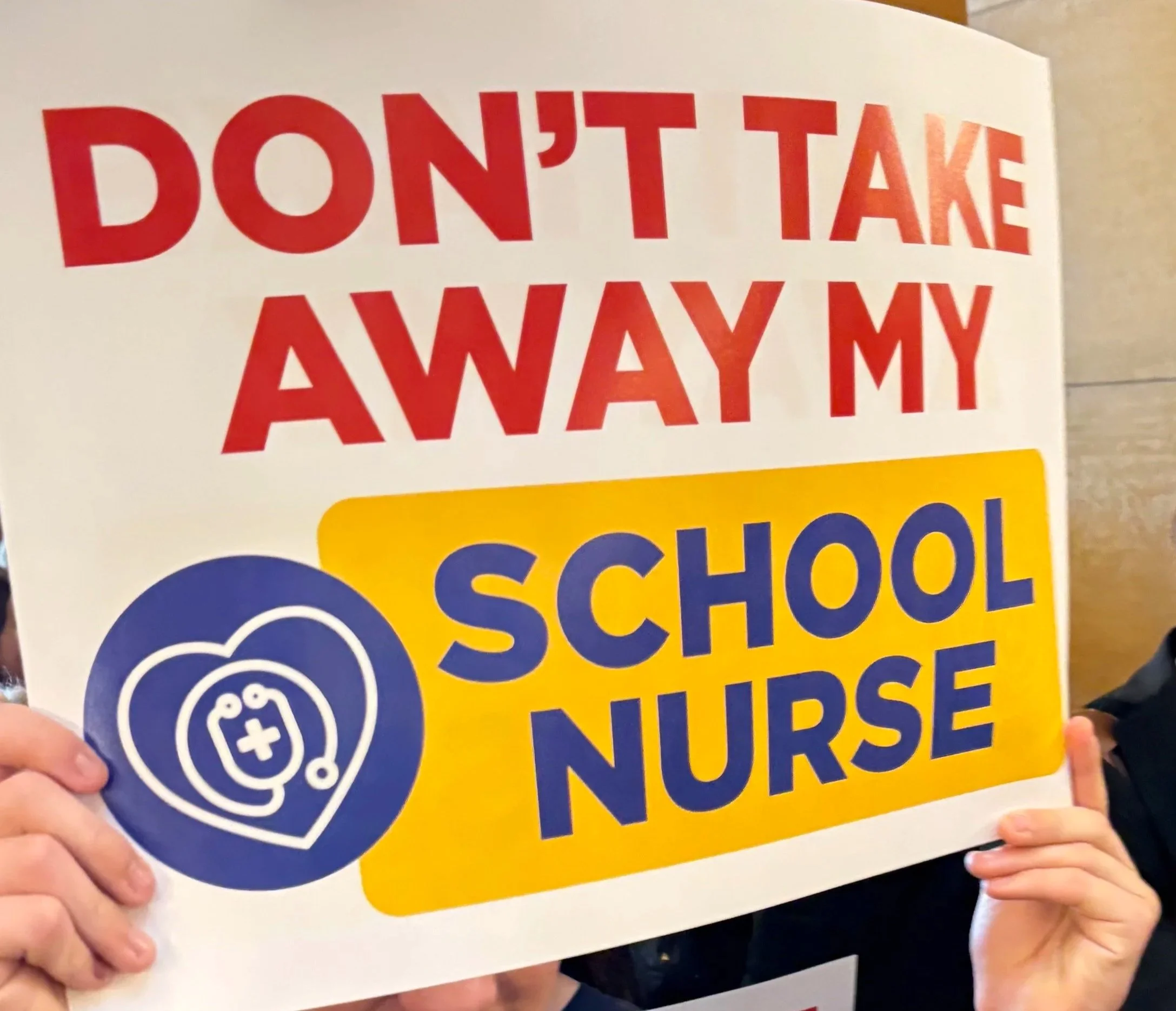
Deep Money Donors, Union Power & Walz’s $109M Private School Aid Cuts
Last year, 70,000 nonpublic school students faced Governor Walz’s push to cut $109 M in aid. Discover enrollment shifts, budget impacts, and the political forces—unions and the Democracy Alliance—driving this controversy ahead of the 2026 session.
What’s Really Driving Minnesota’s Education Shake-Up?
Last year, 70,000 of Minnesota's nonpublic school students felt the impact of Governor Walz's proposals to cut $109 million in aid. Governor Walz insisted he was "pretty firm" on eliminating aid to private schools. As the 2026 legislative session convenes in February, Minnesotans must remain vigilant against these orchestrated efforts that threaten to drain resources from private school funding. If reducing private school aid serves as a conduit for shifting students into public schools, benefiting a consortium of unions and allied organizations, should both Democratic and Republican legislators view this with concern?
Private school students from across Minnesota gathered at the State Capitol during the 2025 session to deliver a clear message: do not cut $109 million in private school aid. The footage shows hundreds of children and their families marching to Governor Walz’s office—only to find the governor absent. These students came to personally ask for their educational choices to be protected, highlighting the real human impact behind the budget debate.
The Budget Cut Debate
State data shows Minnesota public schools lost 12,500 students between 2021 and 2024, resulting in a 15% rise in private and homeschool enrollment. Many families claim the shift in enrollment was based on objections to what we call today DEI-focused curricula. While proponents argue the shift would redirect resources to districts serving 80% of Minnesota's children, critics have noted that the cut from Minnesota's budget represents less than 0.5% of the K-12 budget of $24.3 billion. If funding is cut, this systematic plan would only penalize parents and caretakers who opted out of the DEI experiment. With 70,000 students at stake, lawmakers reconvening in February must remain cognizant of the implications: depriving students of educational diversity and funneling more students into Minnesota's public system. Could this grander stratagem—effectively incentivizing public schools by starving private schools of funding—be the true motive? Investigating the rationale behind targeting such a small portion of aid suggests a coordinated effort by the Democracy Alliance and allied unions to support Governor Walz's push to defund private schools.
Unions represent one arm of the Democracy Alliance’s broader strategy. An edifice of influence aiming to reshape state and national policy, and government parties one legislature at a time. Fueled by resources and strategic support funneled through their allegiance to the Democracy Alliance, these unions serve as a visible source driving Governor Walz’s budget priorities.
Next Up: Inside the Unions’ Playbook
In next week’s installment, we’ll unpack Education Minnesota and its AFT/NEA affiliates. Examine how union leadership, based by the Democracy Alliance’s deep resources, crafts the legislative and grassroots efforts that drive Governor Walz’s push to redirect school funding.